
Illinois Personal Injury Lawyers
Millions
Recovered
$4.55M
Auto Accident/Premises Liability
$3.2M
Work Injury
$2.15M
Auto Accident/Fatality
$1.14M
Wrongful Death/Society
$1M
Auto v. Pedestrian – Fatality
$688K
Wrongful Death/Loss of Society
$550K
Auto v. Pedestrian – Permanent Disfigurement
$455K
Premises Liability – Shoulder Injury
$400K
Premises Liability – Faulty Stairs
$400K
Premises Liability – Doorway Code Violation
$385K
Auto Accident – Ride Share Company
$305K
Dog Bite
$302K
Auto Accident
$301K
Dog Bite
$250K
Auto v. Pedestrian
$116K
Auto Accident – Ride Share Company
$100K
Auto v. Pedestrian
Auto Accident/Premises Liability
Auto Accident/Premises Liability
Work Injury
Work Injury
Auto Accident/Fatality
Auto Accident/Fatality
Wrongful Death/Society
Wrongful Death/Society
Auto Accident/Premises Liability
Work Injury
- Bicycle Accidents
- Burn Injuries
- Medical Malpractice
- Products Liability
- Nursing Home | Elder Abuse
- Slip And Fall Accidents
- Birth Injuries
- Car Accidents
- Motorcycle Accidents
- Trucking Accident
- Construction Site Accidents
- Brain Injuries
- Dog Bite Injuries
- Pedestrian Accidents
- Wrongful Death
- Spinal Cord Injury | Paralysis
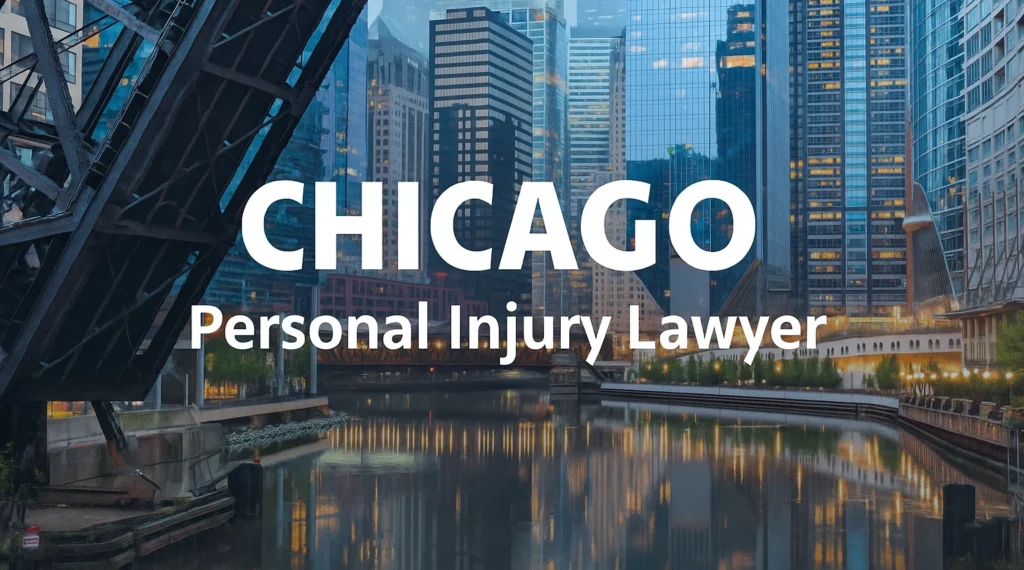
- Chicago
Personal Injury Lawyer
Whether you need someone for a medical malpractice case, your child has been injured, or you have been involved in an accident, we have the insight and experience to pursue justice for your case. There is no need to suffer any further pain, so we will use the most effective strategy to protect you and help you recover the compensation you deserve.
Your justice can’t wait and at Get Bier Law, we invest the time and resources needed to pursue justice for you. We do what is right for our clients by making ourselves available, by analyzing and investigating every detail of your case, and by creating a plan of action that focuses on noteworthy results.
When you or a loved one need assistance with a personal injury claim, our firm is ready to set you up for success now and in the future. Contact us today. Your justice cannot wait.
With decades of experience, our attorneys have an in-depth understanding of insurance coverage and personal injury law that is unmatched. This has resulted in numerous successful settlements and judgements for our clients. It has also resulted in our lawyers and our firm setting legal precedents that are still adhered to today.

Why Choose Jeff Bier
Endorsed by Legal Professionals
Jeff Bier is consistently recognized by his peers as a top-rated attorney. He has been selected to the Super Lawyers Rising Stars list for multiple years, including 2024 through 2026, a designation limited to only 2.5% of licensed attorneys. This peer validation confirms his high professional achievement and strong reputation across Personal Injury, and Insurance Coverage law.
Proven Results and Strategic Insight
Jeff Bier has achieved or participated in settlements exceeding $10,000,000, demonstrating his ability to secure massive financial recoveries in high-stakes personal injury cases,
Academic Excellence
He has cemented his legal standing by graduating magna cum laude from the University of Illinois College of Law. His practice emphasizes complex, high-stakes personal injury cases, reflecting why he is recognized among the best personal injury lawyers in Chicago.
Trusted, Accessible Advocacy
Mr. Bier is distinguished by his unwavering commitment to accessibility. He understands that navigating a personal injury case can be overwhelming, and he ensures clients receive timely guidance and support every step of the way.
The Advantage of Insurance Insight
A key strength of Jeff Bier’s practice is his deep expertise in Insurance Coverage Law. . His dual expertise in advocating for plaintiffs while understanding the insurance perspective provides a strategic edge, helping clients secure the maximum possible recovery.
Hear Our
Clients' Stories
- Pearl mintz
- Sam Rivera
- Nico Esser
- OUR ADVANTAGES
Client Reviews
Tracy H
I was very happy with my experience with Jeff Bier! He is extremely professional and helpful and took the time to speak to me and answer all my questions. I would highly recommend Jeff and his firm.
elisha gibbs
Nico Esser
pearl mintz
Sam Rivera
Carlson Bier has been super helpful throughout this whole process, gave me access to services such as physical therapy, MRIs, and spinal injections, and they advocated for the maximum amount for the settlement. Esther, especially, has been super helpful and kind. I’d recommend them to anyone in need of services.
Very helpful I would recommend them to anyone grateful service from Carlson Bier Associate
They have very great communication,this whole process have been great and it was no uncertainties during the whole period of my case.very organized office I highly recommend!
They were there and very understandable. I was appreciative of that. Definitely got the job done. I recommend Carlson Bier associates
My experience with Carlson Bier was a decent one. They communicated with me most of the time and kept me updated on the progress of the case. I would work with Carlson Bier firm again if I need another accident injury firm to assist with any other cases. Thanks Carlson Bier for all your help.
Very helpful I would recommend them to anyone grateful service from Carlson Bier Associate
They have very great communication,this whole process have been great and it was no uncertainties during the whole period of my case.very organized office I highly recommend!
They were there and very understandable. I was appreciative of that. Definitely got the job done. I recommend Carlson Bier associates
My experience with Carlson Bier was a decent one. They communicated with me most of the time and kept me updated on the progress of the case. I would work with Carlson Bier firm again if I need another accident injury firm to assist with any other cases. Thanks Carlson Bier for all your help.
Carlson & Associates was very nice and helpful. I will recommend them to anyone who's in need for a good law firm. Once again I thank you and your team
It was a pleasure working with this team of professionals. They communicated every step of the process as well as updated me on the progress of my case. They kept expectations realistic and over delivered the final result. Thank you Carlson Bier associates!
All staff with Carlson Bier kept me in the loop throughout the process and got my settlement done. Thank you!
I personally want to thank Carlson Bier Associates! Everyone was accessible and compassionate when it came to my case and just me as a person through the journey.
I had a great experience with Carlson Bier and Associates. They kept me up to date with my case at all times and remained professional throughout the process. I highly recommend them if you are in need of experienced attorneys .Thank You All So Much! I greatly appreciate all you have done!
Carlson & Associates was very nice and helpful. I will recommend them to anyone who's in need for a good law firm. Once again I thank you and your team
It was a pleasure working with this team of professionals. They communicated every step of the process as well as updated me on the progress of my case. They kept expectations realistic and over delivered the final result. Thank you Carlson Bier associates!
All staff with Carlson Bier kept me in the loop throughout the process and got my settlement done. Thank you!
I personally want to thank Carlson Bier Associates! Everyone was accessible and compassionate when it came to my case and just me as a person through the journey.
I had a great experience with Carlson Bier and Associates. They kept me up to date with my case at all times and remained professional throughout the process. I highly recommend them if you are in need of experienced attorneys .Thank You All So Much! I greatly appreciate all you have done!
Amazing experience with Carlson Bier Associates; professional, caring, and always kept me informed. Truly grateful for their help!
Great morning As a review, I just wanna say that I am totally pleased with the way of my case was handled. Everything was transparent. I was able to receive everything that they promised And the receptionist worked with me like I was her only client. So I would recommend them to anyone and I would definitely use their services again. Thank you for all you’ve done for me and my family
Carlson Bier Associates did an amazing job with my injury case! They were professional, caring, and kept me updated the whole time. I’m so thankful for their help and highly recommend them! I really appreciate everything
Hired them back in May for an auto accident and it's almost September and haven't gotten any updates regarding my case. They have to be paying for these reviews. Here it is October and yet still haven't accomplished anything.
Quick, efficient, and highly communicative! The process went smoothly, and my settlement was handled promptly with no issues. I truly appreciate the professionalism and will definitely return if I ever need legal assistance again.
Amazing experience with Carlson Bier Associates; professional, caring, and always kept me informed. Truly grateful for their help!
Great morning As a review, I just wanna say that I am totally pleased with the way of my case was handled. Everything was transparent. I was able to receive everything that they promised And the receptionist worked with me like I was her only client. So I would recommend them to anyone and I would definitely use their services again. Thank you for all you’ve done for me and my family
Carlson Bier Associates did an amazing job with my injury case! They were professional, caring, and kept me updated the whole time. I’m so thankful for their help and highly recommend them! I really appreciate everything
Hired them back in May for an auto accident and it's almost September and haven't gotten any updates regarding my case. They have to be paying for these reviews. Here it is October and yet still haven't accomplished anything.
Quick, efficient, and highly communicative! The process went smoothly, and my settlement was handled promptly with no issues. I truly appreciate the professionalism and will definitely return if I ever need legal assistance again.
What to Expect When You Work With Us:
Case Review & Game Plan
Start with a free call where we listen to what happened, answer your questions, and map out the fastest path to protect your health and your claim.
Protecting Your Claim Immediately
We step in right away—handle insurer contact, stop the calls, preserve evidence, and make sure key deadlines and reports don’t get missed.
Medical Proof & Damage Evaluation
We gather medical records, bills, and supporting documentation to clearly show what you’ve been through and what your injuries will cost long-term.
Settlement Package & Pressure
Once the evidence is ready, we prepare a strong demand and negotiate aggressively—using documentation and deadlines to push for full value.
Lawsuit & Litigation (If Necessary)
If the insurance company won’t be fair, we file suit and move your case forward through discovery, depositions, and mediation—ready for trial if needed.
Final Outcome & Moving Forward
When your case resolves, we finalize the settlement, address liens when applicable, and make sure you receive your funds as quickly as possible.
Practice Areas
We carved a niche for handling complex personal injury cases — across every category.
PRACTICE AREAS
We Carved a Niche for Handling
Car Accidents
Wrongful Death
Trucking Accident
Spinal Cord Injury | Paralysis
"My unwavering commitment to service, means that I am here for you anytime you need assistance."
- Jeff Bier
Legal Services by Practice Area
INJURY
Recent Videos




AS SEEN ON
We Have Answers
How do I know if I need a personal injury lawyer?
What are the benefits of hiring a personal injury lawyer?
How much does it cost to hire a personal injury lawyer?
What types of cases do personal injury lawyers handle?
What should I do after a personal injury accident?
How long do I have to file a personal injury lawsuit in Illinois?
In Illinois, the statute of limitations for personal injury cases is generally two years from the date of the accident. However, there may be exceptions or special circumstances that can alter this timeframe, so it is essential to consult with a lawyer promptly.
Choosing between a will and a trust depends on factors like the size of the estate, privacy concerns, and whether ongoing management for beneficiaries is desired. We can review your situation and recommend the most appropriate documents.
What evidence do I need to prove my personal injury case?
To prove a personal injury case, you may need medical records, accident reports, witness statements, photographs, and any other evidence that can substantiate your claim. Your lawyer will help gather and present the necessary evidence to support your case.
What can I expect from the personal injury lawsuit process?
The personal injury lawsuit process generally includes consultation, investigation, negotiation with insurance companies, filing a lawsuit if necessary, discovery, trial, and settlement or judgment. The duration and complexity of each case can vary, and having a lawyer can help streamline the process and ensure all legal protocols are followed.
What are my chances of winning my personal injury case?
What is the average settlement amount for a personal injury case in Chicago?
How long does it take to settle a personal injury case?
Start by getting medical care and following the treatment plan recommended by your providers, even if symptoms seem minor at first. If it is safe, document the scene with photos or video, gather witness names and contact details, and keep copies of any reports or paperwork you receive. Avoid guessing about fault or giving recorded statements before you understand the full situation, and keep notes about pain, restrictions, and missed work as the days progress.
As soon as you can, preserve evidence connected to the event, such as damaged items, clothing, vehicle information, and communications with insurers. Early legal guidance can help you understand what information to share, what to keep, and what deadlines may apply. Calling our Chicago office at (877) 417-2437 can help you outline next steps for protecting your options while you focus on recovery.
Illinois law sets deadlines for filing personal injury lawsuits, and the applicable statute of limitations can depend on the type of claim and the facts involved. Missing the deadline can prevent you from pursuing compensation in court, even if liability seems clear. Because these time limits can be affected by details like the identity of the defendant or the nature of the injuries, it is important to confirm how the rules apply to your situation.
Even when a lawsuit may not be immediately necessary, acting early helps preserve evidence and gives time to obtain medical records, employment documentation, and witness statements. Insurance investigations often begin right away, and delays can make it harder to prove what happened. Speaking with a Chicago personal injury firm soon after the incident helps ensure important dates are tracked and your claim is prepared in an organized way.
Compensation in a personal injury claim often includes medical expenses such as hospital care, therapy, medication, and future treatment that is reasonably expected. Many claims also involve lost wages and diminished earning capacity when an injury affects the ability to work now or in the future. In addition, compensation may address human losses such as pain, emotional distress, and changes in daily activities caused by the injury.
The value of a claim depends on the facts, including how the injury occurred, the severity of the harm, the documentation available, and the insurance coverage involved. A careful evaluation considers both current costs and longer-term consequences, including ongoing restrictions and future care needs. Building the claim with clear records and consistent timelines helps support a fair assessment during negotiation or litigation.
Fault is determined by evaluating the conduct of the parties involved and whether someone failed to act with reasonable care under the circumstances. Evidence can include police or incident reports, photographs, video footage, witness statements, vehicle damage patterns, medical records, and, in some cases, reconstruction analysis. In premises cases, building maintenance logs, inspection histories, and prior complaints can also matter when showing that a dangerous condition existed and should have been addressed.
Insurance carriers may argue that the injured person contributed to the accident to reduce what they pay, so a clear, well-supported narrative is important. Collecting evidence early helps avoid gaps and preserves details that can change over time. A legal team can help identify what records to request and how to present the evidence in a way that supports liability and damages.
You may need to report an accident to an insurer, but you should be careful about what you say and what you agree to provide, especially soon after an injury. Insurance adjusters often ask for recorded statements or broad medical authorizations, and the information shared can be used to challenge the claim later. It is usually better to stick to basic facts and avoid speculating about fault, speed, distance, or the seriousness of injuries before you have complete medical information.
Keeping communications organized helps protect you from misunderstandings and inconsistent descriptions. Save emails, letters, and claim numbers, and write down the names of people you spoke with and what was discussed. Legal guidance can help you decide how to respond to requests, what documents to share, and how to present your medical treatment and losses clearly.
No questions found in this category.
Helpful Resources
Securing Medical Documentation
Learn how to request, review, and obtain copies of your medical records - a crucial first step before any legal or medical review of your case.
Workers' Compensation
If injured at work, you may be eligible for workers' compensation. The Illinois Workers' Compensation Commission handles these claims.
Illinois Department of Insurance
File complaints about insurance claims or get information about your rights. The DOI helps consumers navigate insurance-related issues.
Illinois Legal Aid Online
Statewide resources, legal information, and limited scope representation. Get answers to common legal questions and find assistance.
Illinois Court System
Information on filing and court procedures for personal injury lawsuits.
Illinois Compiled Statutes
Illinois laws and legal codes.
Illinois Department of Human Services
Resources for disability and benefits.
